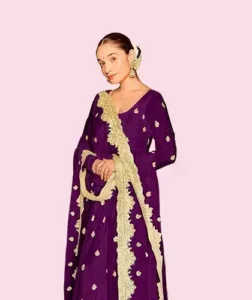
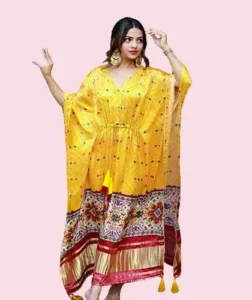
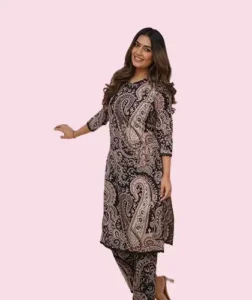
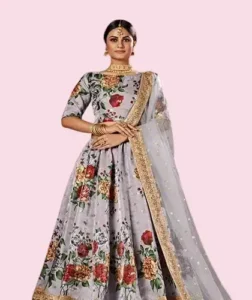

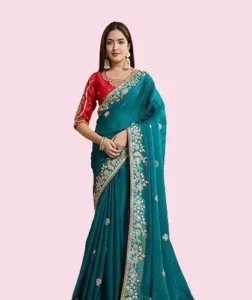
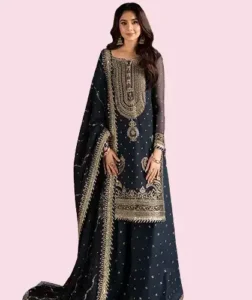



In the ever-evolving world of ethnic fashion, Anarkali dresses continue to reign supreme as a testament to India’s rich cultural heritage. These graceful ensembles, characterized by their flowing silhouette and intricate detailing, have transcended generations to become a staple in every fashion-conscious woman’s wardrobe. As we navigate through 2025, let’s explore how this timeless attire is being reimagined with sustainable practices, regional craftsmanship, and celebrity inspirations.
The Evolution of Anarkali Designs in 2025
- The Anarkali suit, with its Mughal-era grandeur, has seamlessly merged with contemporary design innovations in 2025. Modern iterations feature a perfect balance between traditional aesthetics and current fashion sensibilities, making them versatile for various occasions.
- This season’s Anarkali collections showcase a refreshing palette dominated by pastels, particularly mint, blush pink, and lavender, elevated with resham embroidery. These soft hues create an ethereal look perfect for weddings and festive celebrations across global markets, including the USA and UK.
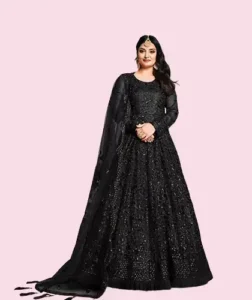
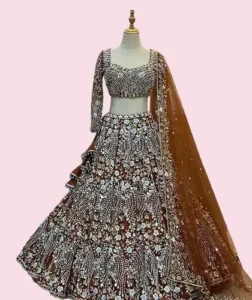
- Designers have introduced exciting innovations in materials, incorporating luxurious fabrics like silk, velvet, and net. These materials serve as the perfect canvas for embellishments such as sequins, intricate embroidery, and mirror work, adding dimension and visual interest to the garments.
Sustainable Fabrics: The Eco-Conscious Revolution
The fashion industry’s shift toward sustainability has significantly influenced Anarkali dress production in 2025. Eco-friendly fabrics are now at the forefront of this traditional attire’s modern interpretation:
- Khadi: This handspun and handwoven fabric holds significant historical importance in India and has become a symbol of sustainable fashion. Its natural texture and breathability make it perfect for contemporary Anarkali designs.
- Organic Cotton: Cultivated without harmful pesticides or synthetic fertilizers, organic cotton Anarkalis offer comfort while reducing environmental impact. The material’s versatility allows for various draping styles and embellishments.
- Peace Silk (Ahimsa Silk): Also known as Ahimsa silk, this eco-friendly alternative is crafted without harming silkworms. Its soft texture and natural sheen make it ideal for elegant Anarkali ensembles that combine luxury with ethical practices.
- Recycled Fabrics: Innovative designers are incorporating recycled polyester and cotton into Anarkali suits, minimizing textile waste while creating beautiful garments that don’t compromise on style or quality.
- Many sustainable Anarkali collections now feature garments that are hand-printed, hand-embroidered, and hand-stitched using internationally-certified organic fabrics and toxic-chemical-free colors, ensuring both environmental responsibility and artisanal craftsmanship.
Regional Embroidery: A Tapestry of Cultural Heritage
India’s diverse embroidery traditions have found new expression in contemporary Anarkali designs, with each technique bringing its unique character to these flowing ensembles:
- Chikankari from Lucknow: This delicate white-on-white embroidery technique creates ethereal Anarkalis perfect for summer soirées and daytime events. The intricate patterns featuring flora, fauna, and geometric motifs add subtle elegance to the flowing silhouette.
- Gota Patti from Rajasthan: Originally a royal Rajput embroidery style using gold and silver appliqué work, Gota Patti embellished Anarkalis exude regal charm. The metallic accents create a festive look ideal for weddings and special celebrations.
- Sozni from Kashmir: This meticulous needlework creates such fine stitches that the embroidery appears identical on both sides of the fabric. Sozni embroidery on Anarkali dresses showcases nature-inspired motifs with remarkable precision and elegance.
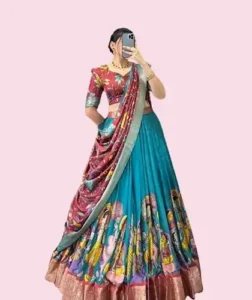
- Phulkari from Punjab: Characterized by vibrant, geometric patterns created with silk floss, Phulkari embroidery brings a riot of colorful stitches to Anarkali ensembles, making them perfect statement pieces for festive occasions.
- These regional techniques not only preserve India’s rich textile heritage but also provide sustainable livelihoods for artisan communities across the country. The embroidery map of India is effectively woven into modern Anarkali designs, with each thread telling a unique cultural story.
Celebrity-Inspired Anarkali Trends
Bollywood celebrities continue to be influential trendsetters for Anarkali styles in 2025:
- Red Carpet Glamour: Celebrities have popularized Anarkali designs that blend traditional elegance with contemporary glamour, making them a staple at high-profile events and award ceremonies. These designs often feature innovative draping techniques and unexpected fabric combinations.
- Designer Collaborations: Bollywood’s most memorable Anarkali picks have inspired numerous designer collections this festive season. These celebrity-endorsed styles feature statement sleeves, asymmetrical hemlines, and bold color blocking that reinterpret traditional silhouettes.
- Fusion Elements: Pinterest boards showcase numerous celebrity-inspired Anarkali designs that incorporate elements from global fashion trends while maintaining the essence of this classic Indian silhouette. Pink floor-length Chanderi gowns with resham embroidery have become particularly popular among fashion enthusiasts.
- Minimalist Luxury: Some celebrities are championing understated Anarkali designs that focus on exceptional craftsmanship rather than excessive embellishment. These pieces feature single-tone fabrics with subtle tone-on-tone embroidery, creating an air of sophisticated elegance.
Styling Your Anarkali for Different Occasions
The versatility of Anarkali dresses makes them suitable for various events with the right styling approach:
- Formal Events: Opt for silk or velvet Anarkalis with heavy embroidery like gota patti or zardozi. Pair with statement jewelry and a structured clutch for maximum impact.
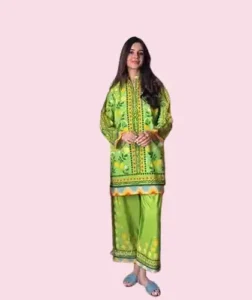
- Casual Gatherings: Choose lightweight fabrics like organic cotton or khadi with minimal embroidery such as chikankari. Style with jhumkas and kolhapuri sandals for an effortless yet put-together look.
- Office Wear: Select A-line Anarkalis in solid colors with subtle embroidery details. Layer with a structured jacket and complete the look with simple studs and formal footwear.
- Festive Celebrations: Embrace vibrant colors and regional embroidery techniques like phulkari or kasuti. Accessorize with traditional jewelry pieces that complement the embroidery’s cultural origins.
As we embrace 2025’s fashion landscape, Anarkali dresses stand as a beautiful example of how traditional attire can evolve while honoring its cultural roots. By incorporating sustainable fabrics, celebrating regional embroidery techniques, and drawing inspiration from celebrity style, these flowing ensembles continue to capture the imagination of fashion enthusiasts worldwide.